
Border areas in West Africa and the Sahel are increasingly becoming strategic spaces where security threats, organised crime, illicit flows, migration, limited state presence and the socio-economic vulnerability of local communities intersect. Borders can therefore no longer be understood merely as administrative lines separating states, but increasingly as broader border spaces whose stability is essential for security, development and regional cooperation.
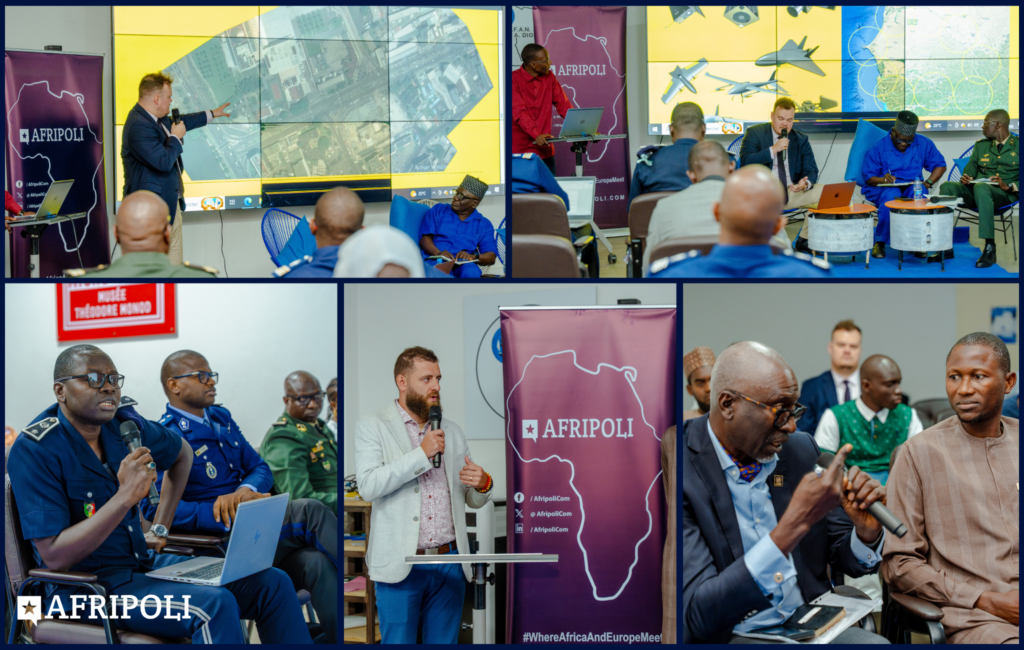
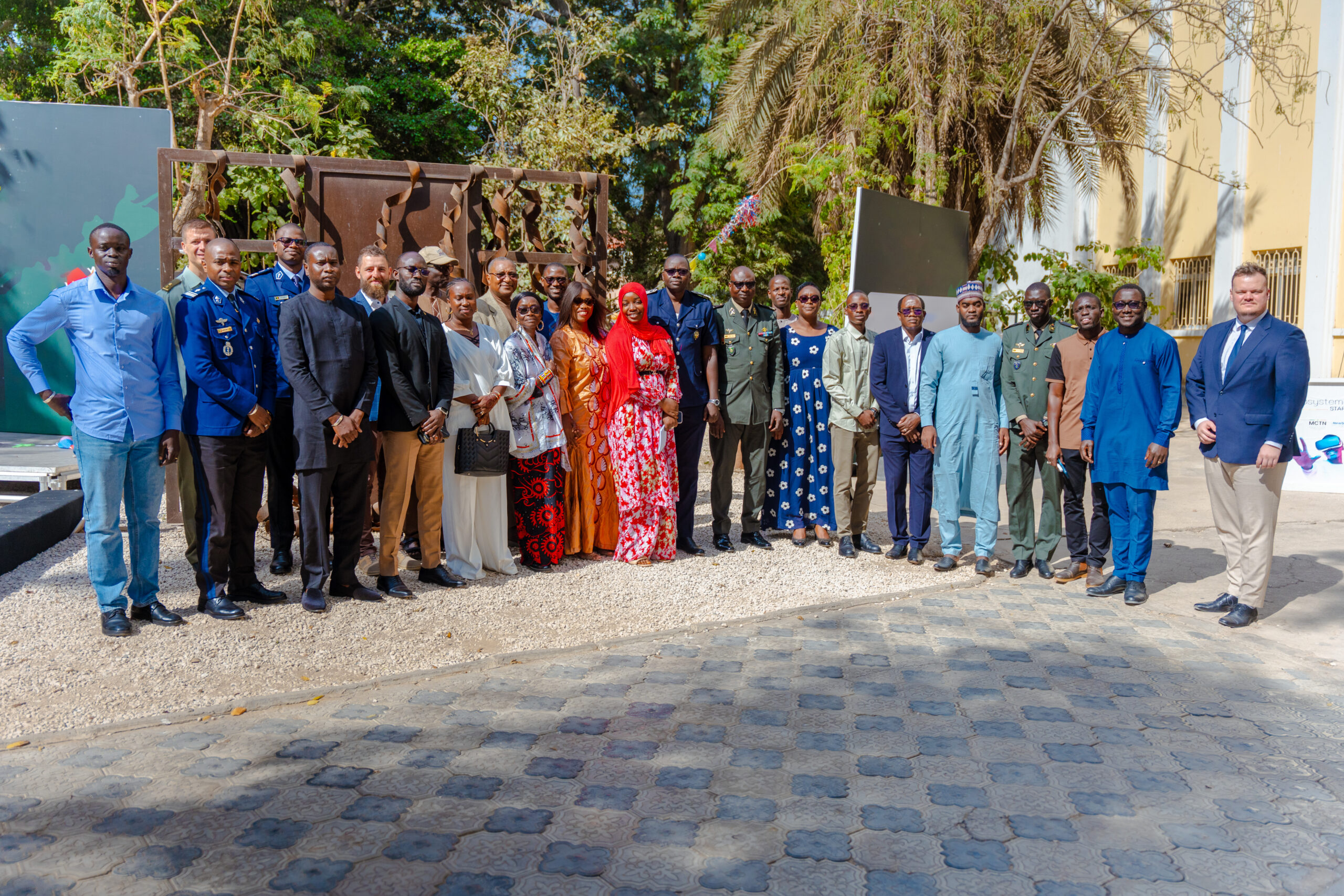
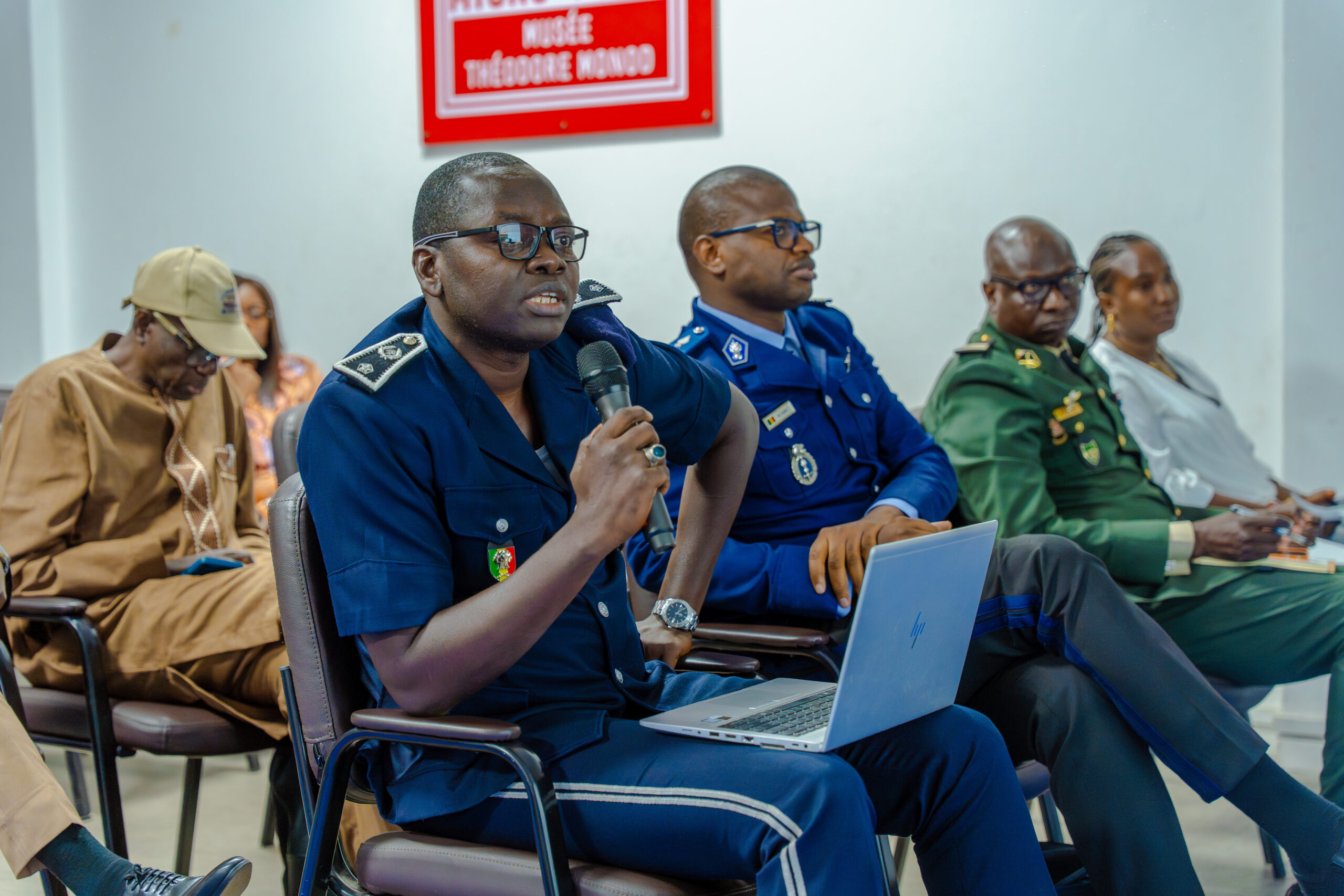
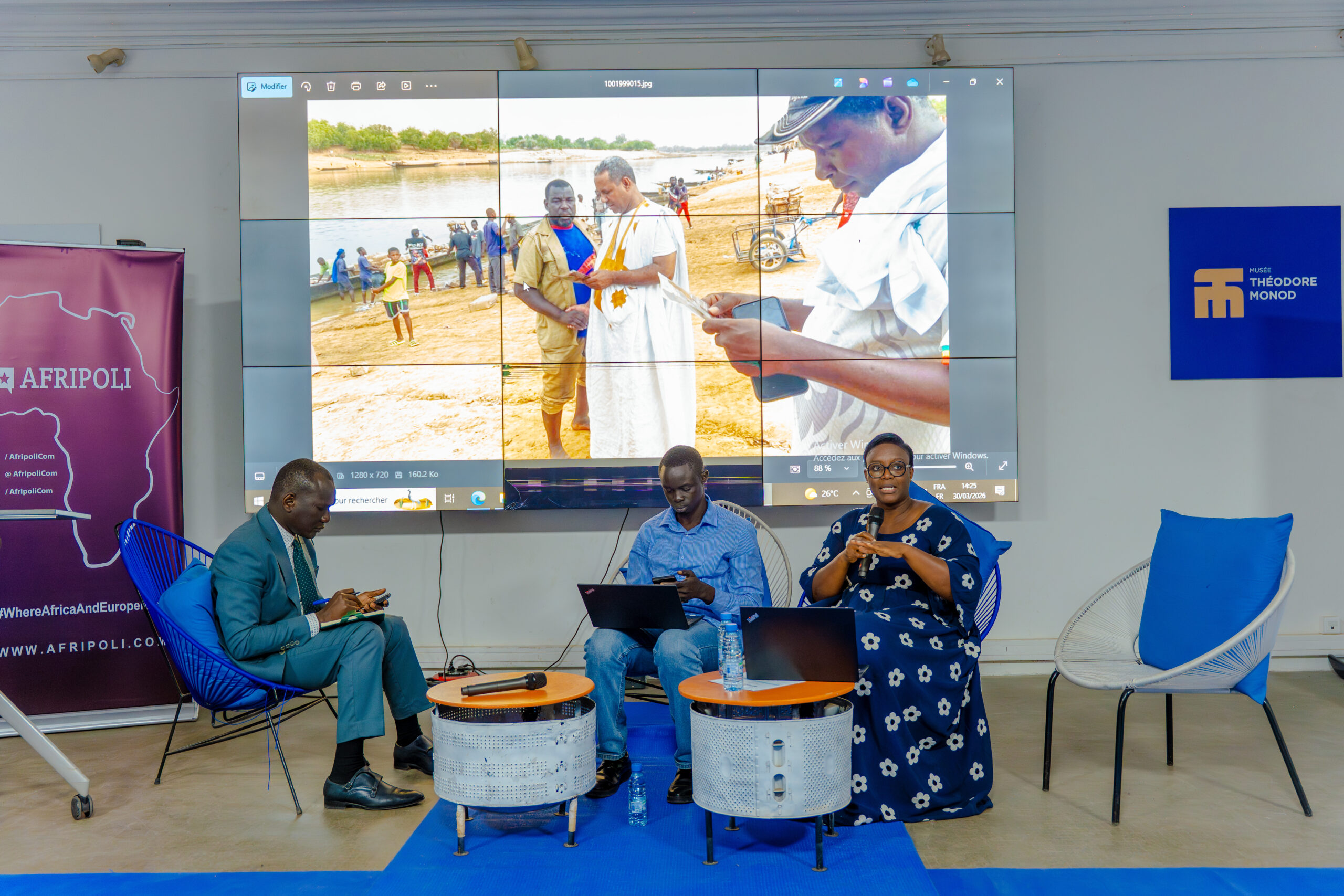
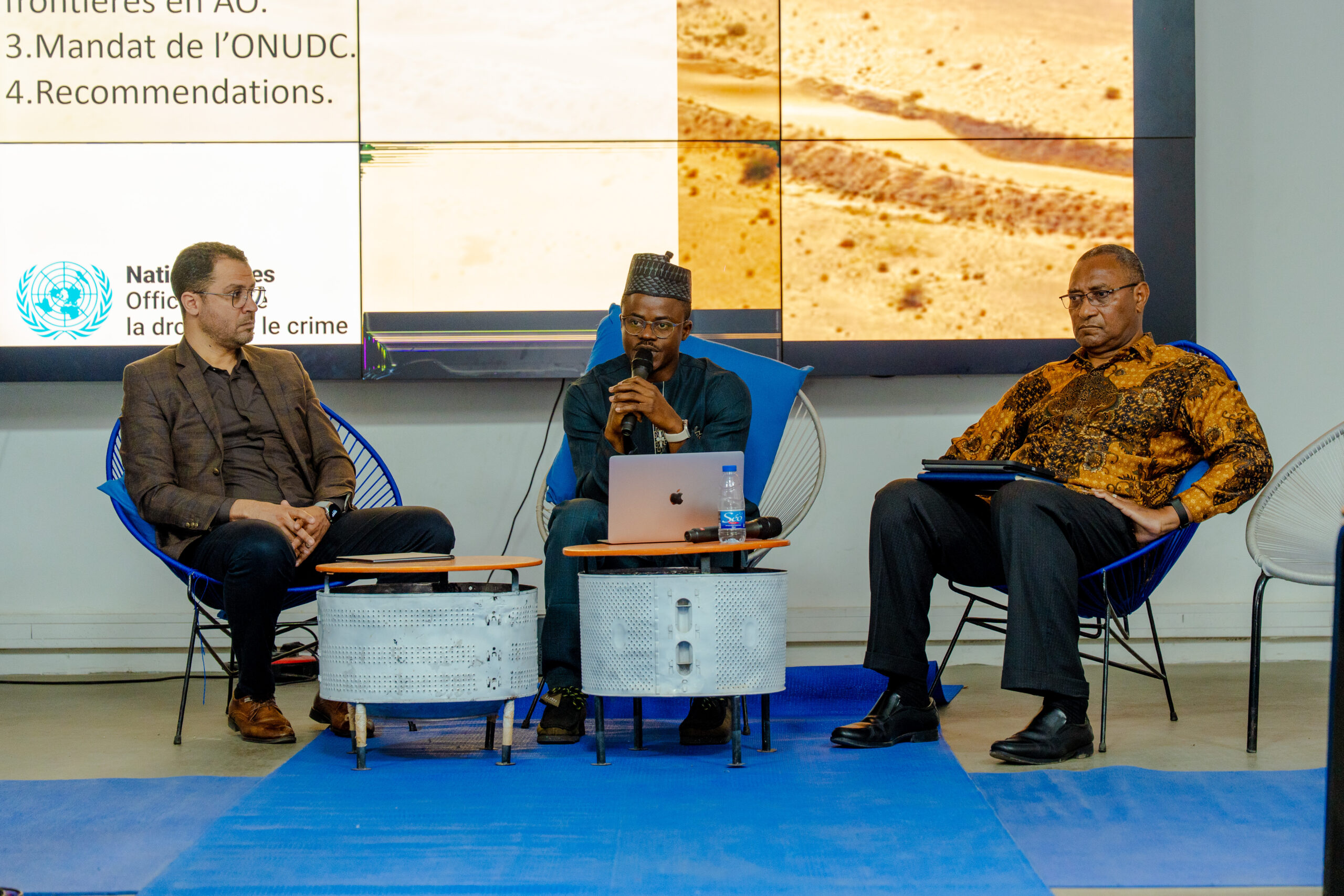
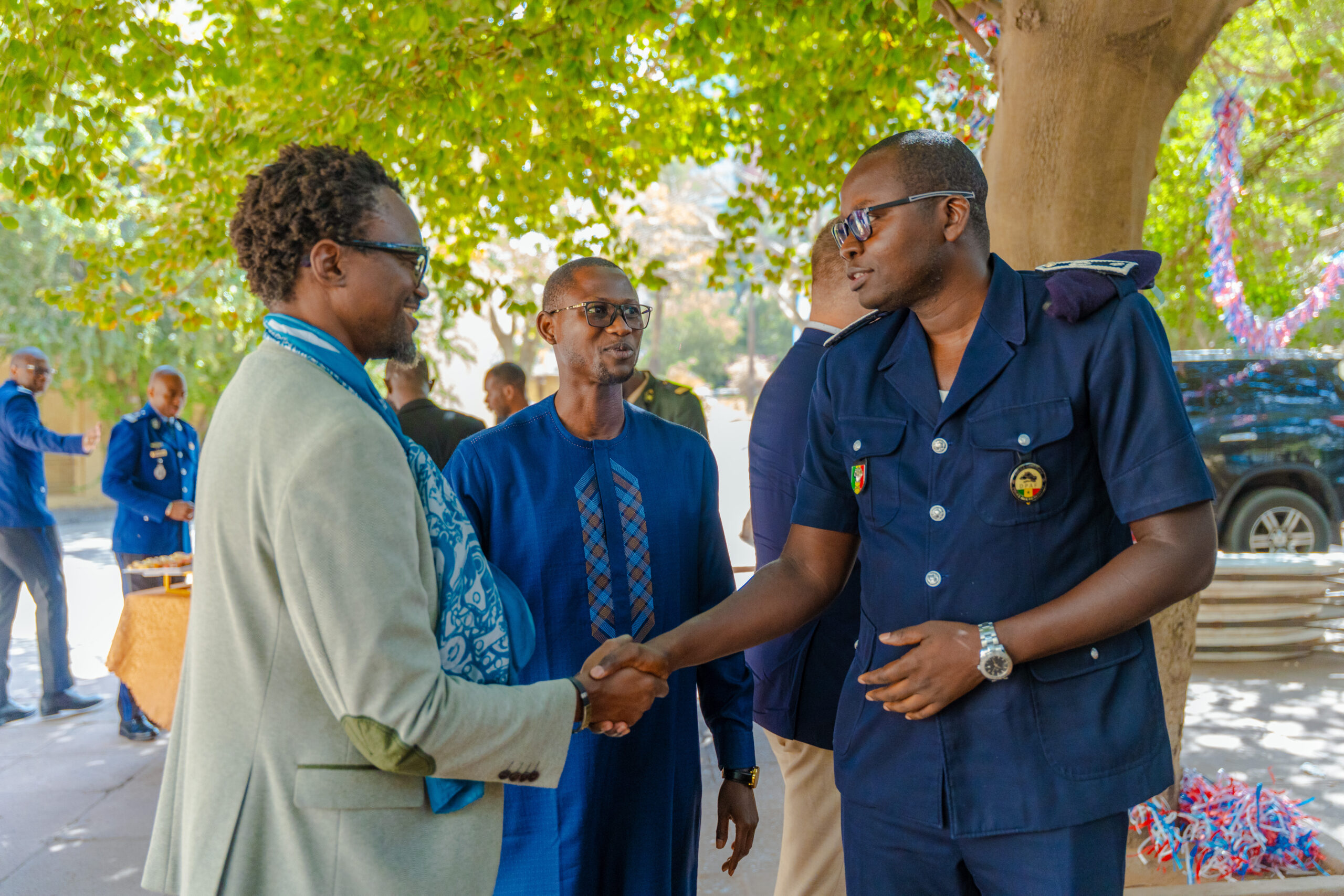
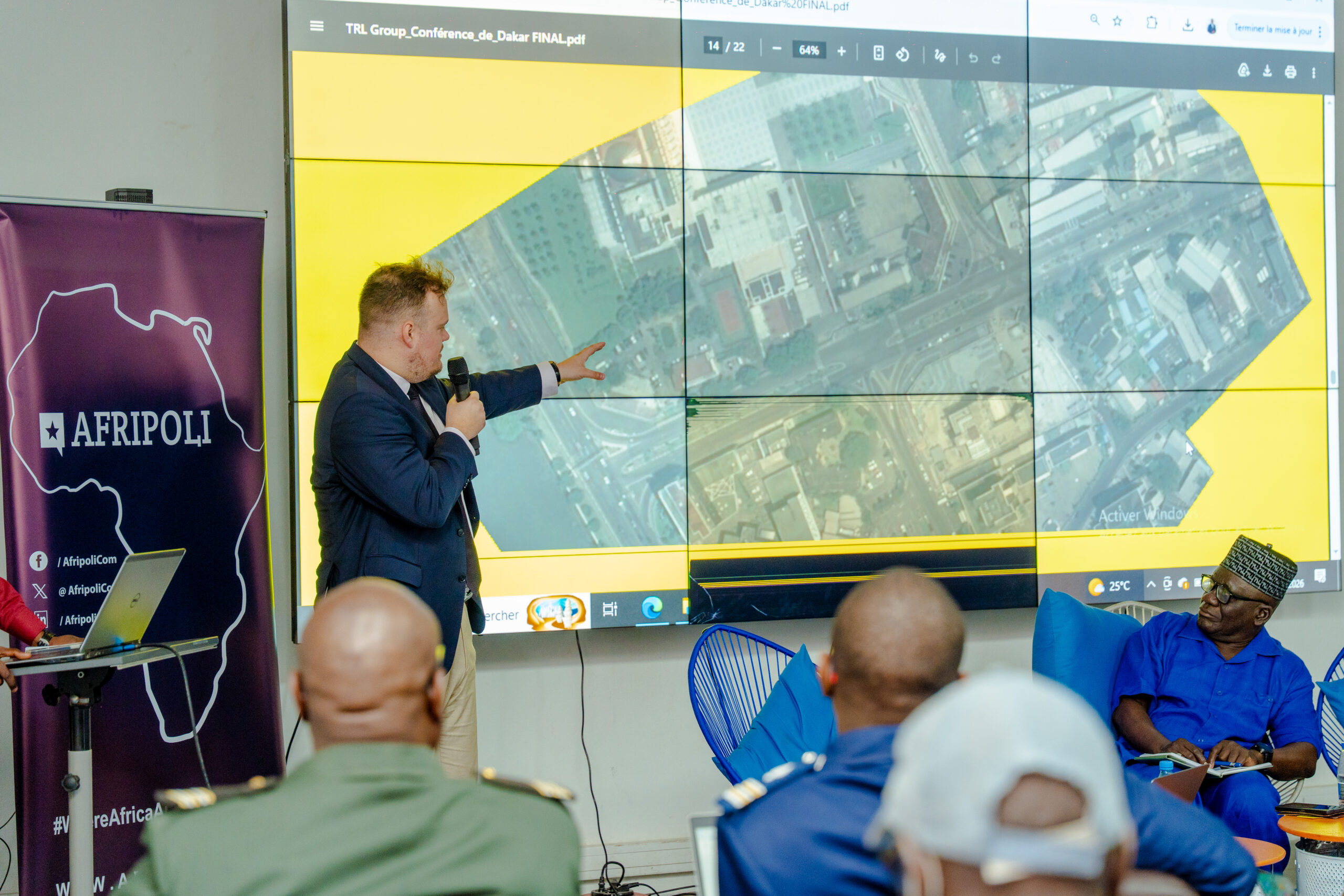
These issues were at the centre of the workshop “Frontières sous pression : menaces, réponses et coordination”, held on 30–31 March 2026 at the Musée Théodore Monod d’art africain, IFAN, Université Cheikh Anta Diop de Dakar. The workshop was organised by AFRIPOLI in cooperation with the Laboratoire des Études Sociales de l’IFAN — LABES-IFAN and its partners. The event brought together representatives of armed and security forces, academia, international organisations, civil society, as well as experts working in the fields of security, technology and border management.
The objective of the workshop was to analyse the growing pressure on borders, better understand the evolving nature of security threats, and identify practical responses based on improved coordination among the relevant actors. The discussions focused not only on traditional security issues, but also on the role of communities, civil-military cooperation, modern technologies and the need for approaches adapted to the African context.
Key Findings of the Workshop
1. Borders in West Africa and the Sahel are under growing and multidimensional pressure.
This is not only a military or police issue. Border areas face a combination of threats: extremist groups, organised crime, trafficking in arms and drugs, migration, limited state presence and the socio-economic vulnerability of communities.
2. Borders can no longer be understood merely as lines separating states.
One of the main conclusions of the workshop was the need to move from the concept of the border as a line to the concept of the border as a broader border space. It is within these spaces that intense economic, social, cultural and security interactions take place.
3. Security measures alone are not enough.
The workshop emphasised that a purely repressive or military approach is insufficient. Effective border management requires connecting security measures with development, community trust, prevention of radicalisation and the strengthening of state presence in peripheral areas.
4. Coordination among actors is essential.
One of the most important outcomes was the need for better coordination between armed forces, state authorities, international organisations, academia, civil society and local communities. Isolated approaches cannot work in the long term.
5. Local communities are not merely passive victims, but important partners.
Border communities often face significant difficulties, but they also demonstrate a high degree of resilience. In order for them to play a role in prevention and early warning, it is necessary to build trust and involve community leaders, village chiefs, women’s organisations and youth.
6. Technology can make a significant contribution, but it is not a solution on its own.
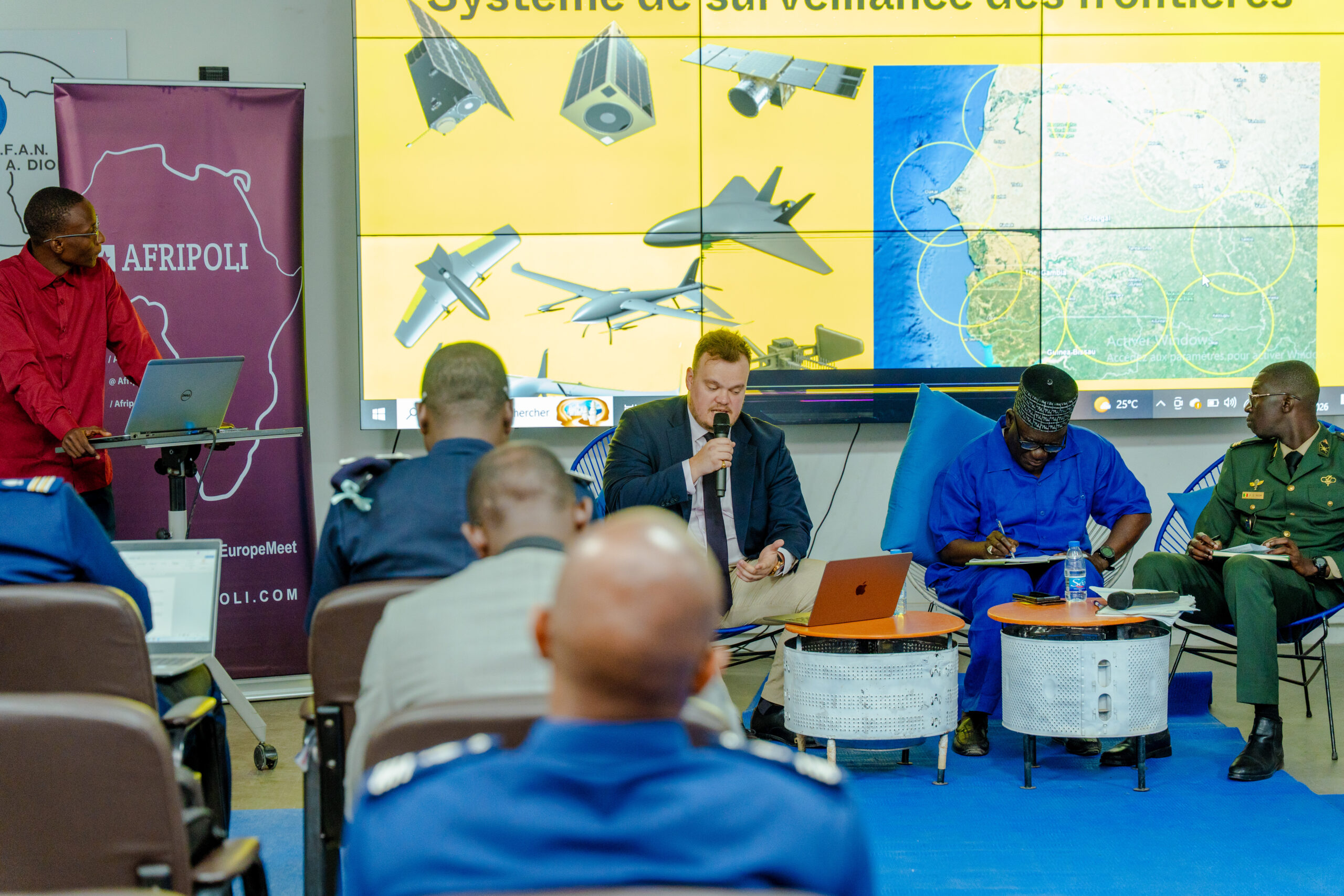
The workshop identified the need for modern tools for border control, including sensors, cameras, detection systems, drones, data sharing, better connectivity and the ability to process information in real time. At the same time, it was emphasised that technology must be accompanied by personnel training, transfer of skills and attention to the issue of data sovereignty.
7. Integrated border management must be adapted to the African context.
A strong conclusion was that African states should not simply copy European models. They need their own approaches based on the realities of mobility, trade, neighbourly relations and regional security risks. The goal should not be simply to close borders, but to manage them intelligently.
8. Regional cooperation has been weakened by political changes.
The discussions highlighted that the security architecture within the ECOWAS/CEDEAO space has been disrupted, including by the withdrawal of the Alliance of Sahel States. The weakening of intelligence-sharing between some states in the region was also mentioned.
9. Civil-military cooperation is essential for long-term stability.
CIMIC and broader civil-military cooperation were presented as important tools for responding to cross-border threats, supporting displaced communities, protecting humanitarian projects and linking security with development.
10. The workshop created a basis for further cooperation.
In practical terms, the workshop represented an important step towards creating a platform for dialogue between security forces, academia, international organisations and civil society. It also helped formulate a shared framework for further discussion on borders as spaces of cooperation, development and stability.
AFRIPOLI: Dialogue as a Foundation for Practical Cooperation
The workshop in Dakar showed that border management requires not only security capacities, but also long-term dialogue between institutions, communities, the research environment and international partners. Bringing these perspectives together makes it possible to better understand the evolving nature of threats as well as the concrete needs of border areas.
In this sense, the cooperation between AFRIPOLI, LABES-IFAN and other participating partners represents an approach that does not begin with pre-defined solutions, but with joint analysis, exchange of experience and the search for responses that correspond to local realities. The discussions during the workshop confirmed that effective border management cannot be treated solely as a technical or security matter, but must also be based on trust, coordination and an understanding of broader social and political contexts.
For AFRIPOLI, this type of format is important above all because it creates space for substantive exchange between African and European actors in areas where security, development, technology and public administration increasingly intersect. Future cooperation will therefore build on these principles: respect for local expertise, open dialogue and the search for practical solutions that can contribute to safer, more resilient and better-connected border areas.